I built an AI guide for 2FA reset tickets
Remote supports customers all over the world. As we grow, our Customer Care team has to keep making common support moments faster, clearer, and easier to handle.
One of those moments is account access.
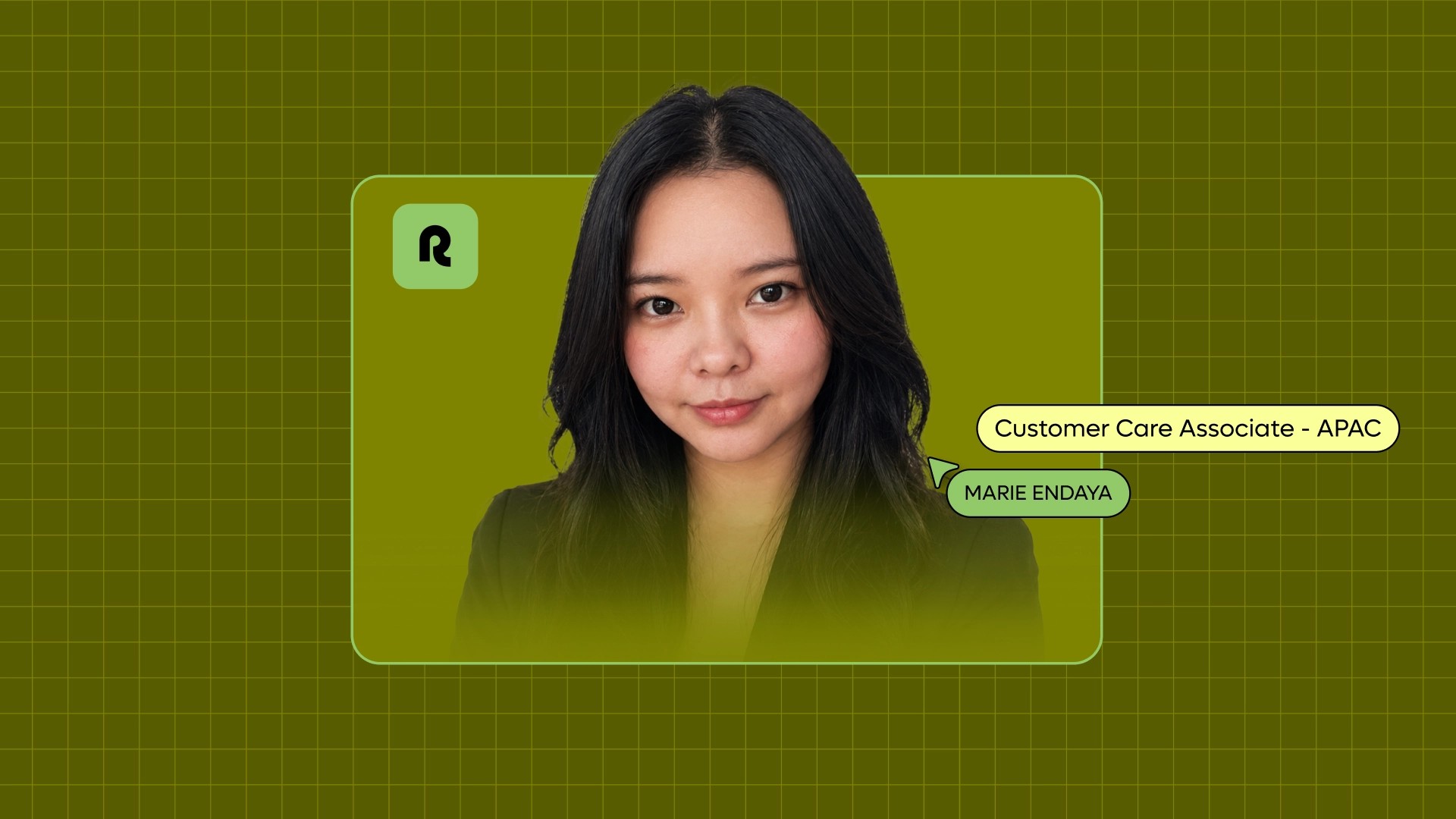
Hi, my name is Marie, and I’m from Remote’s Customer Care APAC team. The problem I wanted to solve is something we see every day: a customer starts with a password reset issue, but then it turns out to be a 2FA issue.
2FA means two-factor authentication. It is the extra security step customers use when they log in, usually by entering a code from an app or another device. It helps protect the account, but when it fails, the customer can be blocked from getting into Remote.
Between April and June this year, we handled almost 1,200 tickets related to these access issues. They often needed multiple checks and handoffs before we could close the loop, and everything was manual.
So for my capstone project in Remote’s internal AI training, I built a conversational AI agent that walks customers through 2FA reset issues. We can also use it as a guide for ourselves as care agents.
That training is now available publicly as AI for Actual Work, Remote’s free course for people who want to use AI on practical problems at work.
The rules I followed were simple: AI guides, human decides. It never touches the account.
For me, the goal was not to replace the care team. The goal was to make the first steps clearer, help customers send the right information earlier, and give agents a consistent guide for a ticket type we see all the time.
Why I ask for a screenshot right away
One of the questions we receive most of the time is: “I tried to enter the code, but I’m getting an error.”
From there, we usually get a lot of back and forth because we need to ask a lot of questions. What screen are they seeing? What error appeared? Did they try to reset it already? Is it really a 2FA reset, or is it something else?
So in the agent, I ask for a screenshot right away.
Why a screenshot?
I believe a screenshot can help us directly identify what the issue or problem is. It can show if it is really a reset issue, if there is a verification failed message, or if there is another authentication issue.
The agent also asks for a clear photo, because most of the time this is where it can fail as well. If the screenshot is not clear, we still have to go back and ask again.
Asking earlier saves time for the customer and for the care team.
What the agent does
I built the agent around three scenarios.
The first scenario is when the customer tries to enter the 2FA code and gets an error. The agent asks for a screenshot, then sends very clear steps. It explains what will happen next, including the identity verification step, and gives the customer a complete guide to reset their 2FA.
I’ve had instances where these are the steps we follow, and most of the time it works.
The second scenario is when the customer sends a screenshot showing an SSO error. Sometimes these messages show on the login page, and that means the customer should not follow the normal 2FA reset path. The agent explains right away what the issue is and what they need to do.
The third scenario is when the customer already tried the reset steps but is still having an issue. For example, the screenshot may show that ID verification failed. In that case, the agent tells them what to do next, and if it still fails, it escalates to the team.
What I had to fix
The first version had an issue. It was actually wanting to reset the 2FA itself, and we really can’t do that.
So I changed it.
Now the agent only guides the process. It can explain the next step, ask for the right information, and point the issue to the right path. But the care team still owns the decision.
There is also a gap today: there is no live Zendesk integration, so it cannot run on real tickets yet. It also cannot read an actual screenshot by itself yet. It depends on the customer or the care agent to describe what the screenshot shows.
If needed, we can integrate it later so it can work with real tickets and more context.
What happens next
The care team owns this prompt.
We can review it monthly and update it based on the tickets we are seeing. If needed, we can connect it to the right API so it can run on real tickets as well.
For me, that is the value of the agent. It helps with a common issue, gives customers clearer guidance, and helps care agents move faster without giving up control.
AI guides. Human decides.
If your team handles the same process by hand every week, sign up for Remote’s free AI for Actual Work course at aiforactualwork.com and build something you can use in your own work.