
Talent management means managing the entire employee lifecycle. It's about making the best possible use of what each employee has to offer and creating an environment where they can thrive.
Starting with recruitment and ending when the individual leaves the company, talent management requires a strategic HR approach.
In this article, we map out key strategies for comprehensive talent management. We then top it off with a few talent management strategies that we do not recommend.
8 detailed talent management strategies
Let’s take a look at eight proven talent management practices. We'll cover recruitment to succession planning, and how best to use technology to support your talent management strategies.
1. Attract the right talent
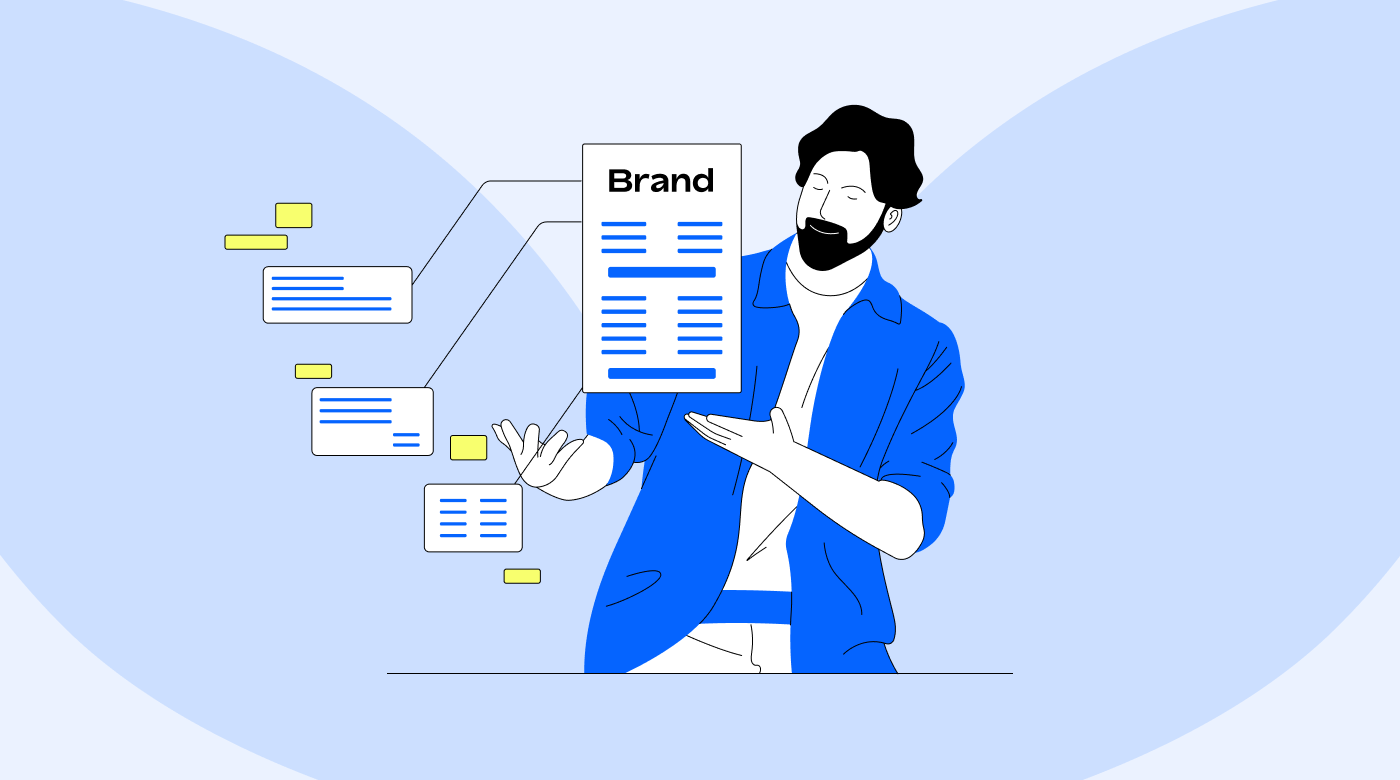
Talent management begins with getting the right people on board. To attract the right talent for your company, be clear about the company’s branding.
Top talent are drawn to a clear and attractive employer brand or value proposition. If the company lacks branding, work with leadership to develop a strong employer image.
Your brand should reflect your company's culture, values, and vision. Actively use this brand in your job advertising. Describe in detail what the company stands for to attract talent that aligns with the company’s mission.
Next, use the right tools for your recruitment strategies. You can do this through online profiling, by using AI for candidate screening, or through social media outreach.
These methods will make it easier to connect with a broad talent pool. Using a platform like Remote Talent also helps you find and hire your ideal candidate.
2. Practice effective onboarding and integration
One of the most important elements of effective talent management is how well the new hire is onboarded and integrated into the company. A solid start can have a big impact on employees’ long-term engagement with the company.
Use structured, comprehensive onboarding plans that introduce new hires to their colleagues. Your onboarding program should also help new team members become familiar with your organization and culture.
Next, building an inclusive company culture helps new team members settle in quickly. Being “part of the team” helps new employees feel valued and more willing to contribute fully.
Also, mentorship and support networks are a great way for your new employees to explore the scope of their roles and settle into the company culture. For example, you can use a buddy system for new hires so they can find their way around and make friends at the company.
3. Offer flexible work schedules and locations
Many employees look for flexible work schedules. Here are some specific tips on offering flexible schedules as part of your talent management strategy.
First, allow for flexible options to work. This can include permitting employees to arrive earlier or leave later to avoid the worst of a commute, or moving their hours around in the morning or afternoon to make time for family obligations.

You can further offer attractive remote work options to your employees. In the US, only 20% of remote-capable jobs are done exclusively on-site. 27% are fully remote while 52% are hybrid.
Top talent look for flexible work arrangements. If your work allows for it, offer remote work options as part of your talent management strategy. For your remote team members to produce high-quality work, invest in tools for remote work. For example, your remote team will need technology for project management, collaboration, and communication to stay productive .
4. Provide continuous learning and development opportunities
Keep your employees engaged by giving them opportunities for continuous skill development. This includes training that correlates to their specific career path. For example, n ew hires will need different skill training compared to current employees, and your IT talent will be interested in different kinds of training than your customer service employees.

45% of Millennials consider career development “very important” but say there are “not enough opportunities to advance.” To help your employees understand their options and avoid confusion, be transparent about their career possibilities at the company.
If there are identifiable, realistic career paths available at the company, clearly mark the steps and requirements for employees to advance on those tracks. In this way, your employees know their options and they steps they need to take to advance.
5. Offer performance management and feedback
Top performers respond well to feedback . Annual performance reviews are often not enough for real change because they lack a clear connection to everyday performance. For continuous employee improvement, it’s good to give regular, constructive feedback.
Actively help your employees use that feedback to make real-time adjustments and work on their personal development. When you measure performance, use transparent metrics.
A balanced mix of qualitative and quantitative metrics can help assess employee performance. You can then discuss employee performance against clear and measurable organizational goals.
For a proper backdrop for these evaluations, help your employees see how their performance relates to the bigger company objectives. This helps them better understand how their contributions matter.
6. Use various employee retention strategies
Employee engagement can fluctuate over time. To retain top talent as they mature in your company, offer competitive compensation and benefits.
Employees are becoming more sophisticated in negotiating salaries and moving on if their demands are not met. In fact, 60% of job seekers say that they’re comfortable negotiating for higher pay.
Make sure your compensation packages are competitive within your industry. Fair and attractive benefits are a great way to keep top performers as well.

7. Practice succession planning
Contrary to popular belief, succession planning isn’t just for CEOs. 60% of leaders say that not having plans in place for critical jobs in a business is risky.
Adequate succession planning is key to preventing critical gaps in skills and knowledge when employees leave. It's also an important signal to aspiring leaders in the company: it shows that there’s room at the top for leadership development.
In fact, leadership opportunities are a strong incentive for certain employees to stay with a company. So identify potential leaders early in their careers. For example, you can regularly assess your talent pool and gather supervisor feedback on promising future leaders.
Once you’ve identified leadership candidates, work with them through targeted training programs that give them opportunities to practice their leadership skills and try out new roles.
8. Use technology and HR analytics
Even with the best talent management strategy, you need the right tools to support your vision.
Remote HR Management helps you manage global talent across the employee lifecycle, from onboarding to offboarding. It's specifically designed for companies that have an international workforce of employees and independent contractors.
HR analytics can help you identify trends, forecast needs, and measure the effectiveness of your strategies. Using data-driven reports helps you make informed decisions on how to manage your talent.

What talent management strategies should you drop?
Here’s a list of outdated strategies we suggest you drop when managing talent.
Ignoring employee well-being
Supporting the mental, physical, and emotional health of your employees is now a critical factor in retaining your workforce. So, think of employee well-being as a core component of your talent management strategy.
Move away from generic strategies and go toward personalized, flexible approaches. Recognizing the individual needs of your employees can significantly improve their engagement and satisfaction levels at your company.
Rigid work hours and location
Unless your industry demands strict schedules and shifts, limited or no flexibility in working hours may just be the policy that drives talent away from your company.
Employees around the world are expecting more opportunities to work from home. Not offering remote or hybrid options may seriously limit your potential talent pool. Instead, offer flexible work arrangements when managing a global team of top talent.
Giving sporadic feedback and conducting annual performance reviews
Limited feedback and annual performance reviews are no longer enough to keep employees on track. Instead, conduct regular check-ins and performance discussions with your employees.
If you have remote employees, it’s just too easy to lose sight of how your workforce is doing. Don’t assume everyone is doing fine if you don’t hear from them. Instead, make a habit of including regular touch points to help your employees feel connected and stay on track.
Frequent feedback and development conversations keep your employees engaged. They also lead to meaningful personal and professional growth among your talent.
Support your strategies for talent management with Remote
Talent management involves detailed, targeted strategies and planning to manage your workforce well.
Remote Talent is your first step to talent management. Simplify your HR stack by recruiting, hiring, and managing your international team members all in one place.
To see how Remote can help you hire and manage top talent, chat with us today.