Payroll migration may sound daunting but, with careful planning, switching systems can streamline your operations, improve compliance, and enhance your employees’ experience.
Whether you're scaling into new markets, replacing outdated software, or consolidating vendors, this guide will walk you through every stage of the payroll migration journey.
What does payroll migration consist of?
Payroll migration is the process of transferring your payroll operations, data, and processes from one system or provider to another. This could involve moving from an in-house setup to an outsourced provider, from one software platform to a more scalable one, or simply integrating your payroll into a broader HR or finance system.
You might also initiate payroll migration to:
- Gain access to better technology or automation
- Improve compliance and reduce risk
- Expand your operations across new countries or regions
- Cut costs or streamline internal workflows
What happens if you get payroll migration wrong?
Whatever the reason for switching, payroll migration is a critical process that impacts finance, HR, compliance, and employee satisfaction. Accurate, timely payroll is non-negotiable for every business, with delays, errors, or compliance issues typically resulting in:
- Penalties and legal issues
- Employee dissatisfaction or turnover
- Reputational damage
See also: What is the impact of payroll mistakes? See our full report
Migrating payroll: Step-by-step
A well-planned payroll migration helps to avoid this, and ensures business continuity, compliance with local laws, and an enhanced employee experience.
Here’s a step-by-step breakdown of how to carry out your payroll migration:
1. Define your goals and scope
First, identify why you're migrating payroll — and define what success looks like. For instance, are you seeking better automation? International coverage? Or more compliance support?
Decide:
- Which employee groups will be affected (geographically or otherwise)
- Whether the migration will be phased or executed all at once
- Your go-live date and timeline
2. Choose the right payroll partner
If you're moving to a new provider, vet your options carefully. In particular, look for a partner that has:
- Experience with payroll migration
- Local compliance expertise
- Integration with your HRIS or accounting tools
- Transparent pricing and responsive support
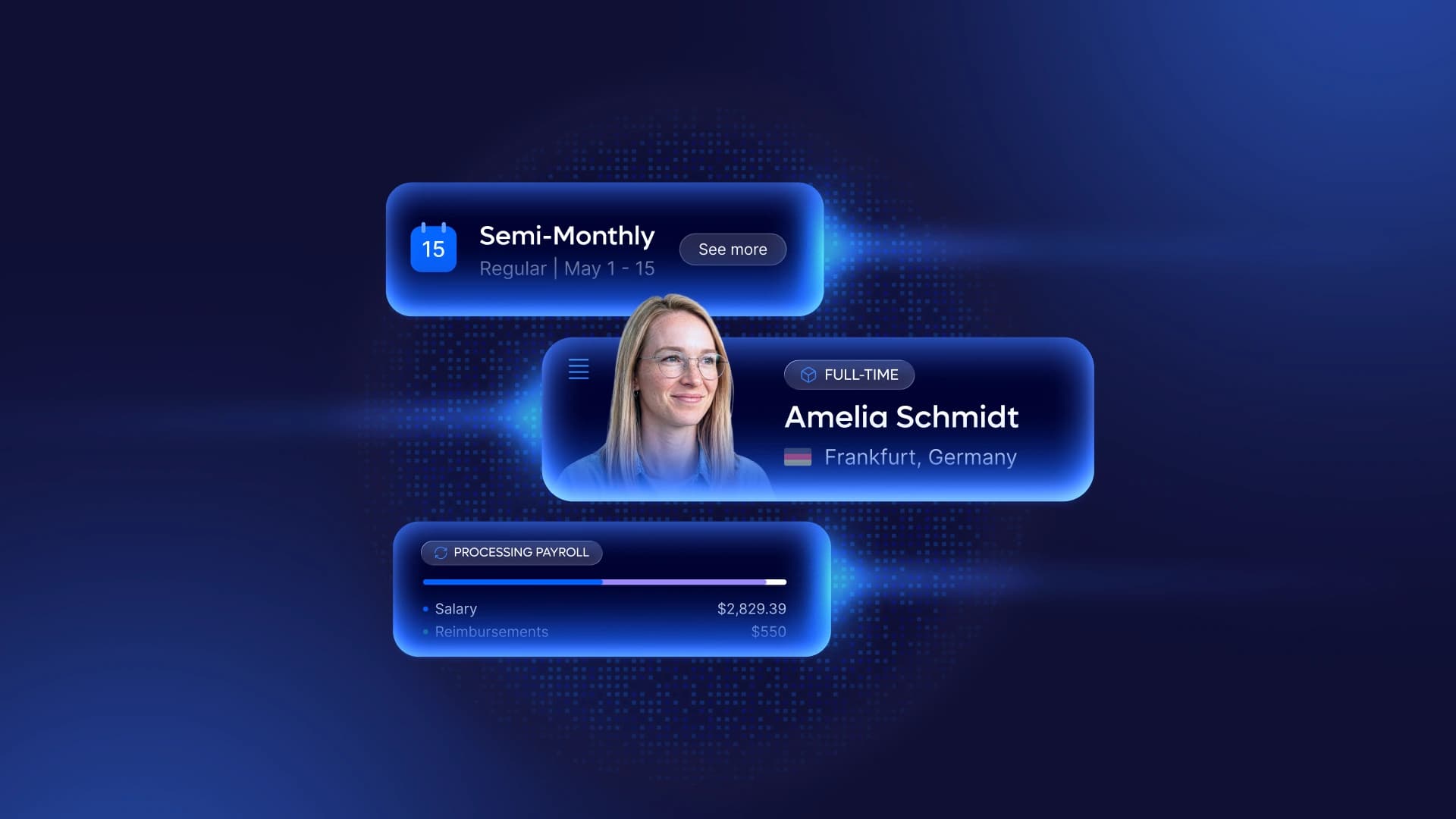
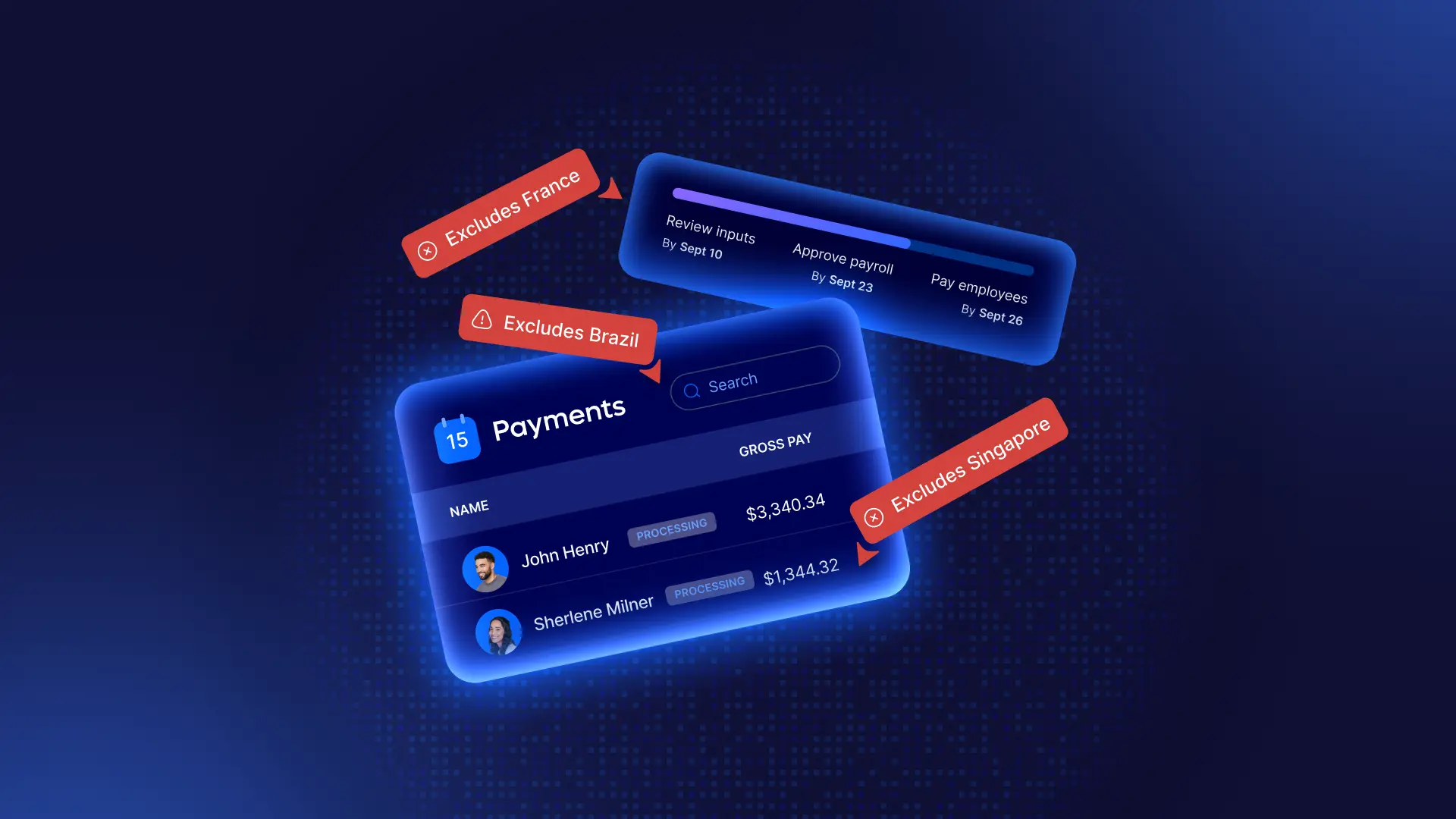
This is particularly important if you have (or plan to have) employees in different locations. A global payroll provider like Remote can help you centralize and simplify your payroll across multiple locations while ensuring local compliance.
See also: How to choose the right payroll partner
3. Assemble your migration team
Once you’ve outlined your endgame and chosen your new provider, you’ll need to put a migration team together.
Include key stakeholders from HR, finance, legal, and IT, and assign clear roles for:
- Project management
- Data verification and cleanup
- Compliance review
- Communication
4. Audit and prepare your payroll data
Before you migrate your payroll data, you need to ensure that it’s clean and accurate. Audit your existing data for correct:
- Employee information
- Compensation details (i.e., salary, bonuses, and benefits)
- Time-off balances
- Tax and compliance information
Where possible, standardize the formats and correct any inconsistencies. If you haven’t already, ensure you document all payroll policies and processes, too.
5. Set up and configure the new system
Next, collaborate with your provider to:
- Map and import the data
- Customize your pay schedules and deduction rules
- Integrate relevant systems (such as HRIS, time tracking, and accounting)
- Establish approval workflows and user roles
Conduct test runs to identify and resolve any errors before going live.
See how Remote Payroll works with you to simplify your payroll migration and implementation
6. Run parallel payroll (optional)
To ensure a smoother transition, you can consider running payroll on both your old and new systems in parallel for one or two cycles. This lets you:
- Validate outputs for accuracy
- Catch and correct any discrepancies
If required, document any issues and their resolutions.
7. Train stakeholders and communicate with your employees
Provide any relevant training to your HR and finance teams on how the new system works, and communicate clearly with your employees about:
- Any changes in payroll delivery
- How to access their new payslips or tax documents
- Who to contact with questions
Remember: Transparency builds trust and minimizes confusion.
8. Go live and monitor closely
Launch the new payroll system on your chosen go-live date, and closely monitor:
- Data accuracy
- Payment processing
- Tax filings and compliance
Have your migration team on hand and ready to respond quickly to any issues.
9. Conduct a post-migration review
After the first few live payroll cycles, it’s a good idea to conduct a post-migration audit where you can:
- Gather feedback from employees and stakeholders
- Review accuracy, timelines, and compliance
- Identify any areas for improvement or automation
You can then use these insights to continuously optimize your payroll processes.
What are some of the most common challenges in payroll migration?
When migrating payroll, your business is likely to encounter common obstacles, such as:
|
Challenge |
Solution |
|
Data inconsistencies |
Conduct a thorough audit and clean data pre-migration (see step 4) |
|
Compliance gaps |
Partner with a provider who understands local regulations (see step 2) |
|
System integration issues |
Plan your integration requirements early and test thoroughly (see steps 1 and 8) |
|
Lack of stakeholder buy-in |
Involve all relevant teams from the start (see step 3) |
|
Communication breakdowns |
Keep your employees informed at every stage (see step 7) |
How can Remote help?
Payroll migration is more than just a technical task — it's a strategic opportunity to improve your operations, boost compliance, and enhance employee trust. By following this step-by-step approach and working with the right partners, your business can ensure a seamless transition and a future-ready payroll setup.
And if you’re migrating to Remote Payroll, the switch is even easier. Our process minimizes disruption and maximizes accuracy, and our specialists handle everything from data gathering and compliance configuration to seamless platform setup.
Whether you're migrating from another provider or starting fresh, our platform integrates with your existing HR and finance systems, avoids downtime, and even allows employees to self-onboard when needed.
You don’t need to expand your team or become a payroll expert; our customers have successfully launched compliant, multi-country payroll in as little as four weeks — without added headcount or unnecessary complexity. To learn more — and to make your migration seamless and stress-free — speak to one of our experts today.